
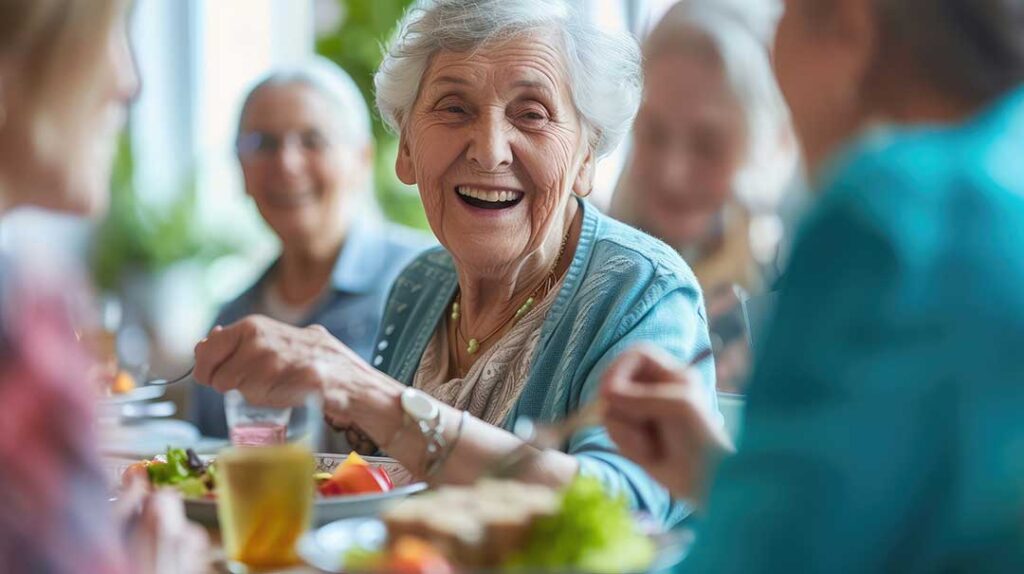
Why do games and pastimes matter in assisted living?
Games and pastimes give residents opportunities for enjoyment, conversation, movement, creativity, and mental stimulation. They can also add structure to the day without making leisure feel like a test or obligation.
In assisted living, activities are most successful when they match a person’s interests, abilities, energy level, and comfort with groups. A resident who dislikes competitive games may enjoy music, puzzles, gardening, or a quiet card game with one other person. Someone who has always enjoyed social gatherings may prefer trivia, bingo, or group crafts.
The goal is not simply to fill time. Meaningful activities can help residents maintain familiar routines, express personal preferences, and build relationships within the community.
What are favorite games among assisted living residents?
Popular games often have familiar rules, flexible playing times, and simple equipment. Residents may enjoy both traditional favorites and adapted versions of games they played earlier in life.
Common choices include:
- Bingo, especially with larger cards and high-contrast markers
- Rummy, bridge, solitaire, and other card games
- Checkers, chess, dominoes, and tile-based games
- Word searches, crossword puzzles, and trivia
- Jigsaw puzzles with larger pieces
- Beanbag toss, balloon volleyball, and other gentle tabletop activities
- Dice games that can be played individually or in small groups
Bingo remains popular because it is easy to understand, encourages conversation, and can be adapted for different abilities. Trivia can be especially enjoyable when questions include music, local history, holidays, household traditions, or events from residents’ younger years.
A game does not need to be complicated to be engaging. Familiarity often matters more than novelty.
How can games be adapted for residents with different abilities?
Games may need small changes so that more residents can participate comfortably. Adaptations should preserve the enjoyable part of the activity while reducing unnecessary frustration.
Helpful adjustments include:
- Using large-print cards, boards, and instructions
- Choosing pieces that are easy to grip
- Limiting the number of pieces on a table
- Providing extra time for turns
- Reading questions and instructions aloud
- Using bright contrast between game pieces and the tabletop
- Offering team play instead of individual competition
- Allowing residents to watch, assist, or join for only part of an activity
For residents with memory loss, activities often work best when directions are brief, repeated calmly, and demonstrated rather than explained at length. A familiar game may be more comfortable than a new one with many rules.
Hearing, vision, arthritis, balance concerns, and fatigue can also affect participation. A resident may still enjoy a favorite activity if the setting is well lit, seating is supportive, and the pace is not rushed.
Which pastimes are good for residents who prefer quieter activities?
Not every resident wants a busy group activity. Quiet pastimes can provide concentration, relaxation, and a sense of accomplishment.
Options may include reading, listening to music, sketching, coloring, knitting, folding laundry for a household task, looking through family photographs, writing letters, or arranging flowers. Some residents enjoy keeping a simple journal, completing word puzzles, or working on a small craft project.
Seasonal activities can also be satisfying. In Berwick, changing weather throughout the year may make indoor pastimes especially useful during cold, wet, or icy periods. Window gardening, seed sorting, indoor plants, and nature-themed crafts can bring seasonal interest indoors when outdoor conditions are uncomfortable.
Quiet activities should not be treated as less social or less valuable. A resident may prefer working beside others without speaking continuously. This kind of parallel participation can feel comfortable and still provide companionship.
What activities encourage social connection?
Social connection often develops through regular, low-pressure opportunities rather than occasional large events. Small groups can make conversation easier, particularly for residents who feel overwhelmed in crowded settings.
Games and pastimes that naturally encourage interaction include:
- Shared puzzles
- Partner card games
- Group singing
- Reminiscence discussions
- Recipe conversations and simple food-preparation demonstrations
- Craft circles
- Discussion groups based on books, photographs, or familiar topics
- Gentle exercise paired with conversation
Reminiscence activities can be particularly meaningful. Residents may talk about school days, work experiences, family celebrations, favorite songs, seasonal chores, or past hobbies. These conversations should be guided by interest rather than treated as memory tests.
A resident who does not want to speak in a group may still benefit from listening. Participation can include observing, choosing music, sorting supplies, keeping score, or helping another person with a task.
Are competitive games appropriate in assisted living?

Competitive games can be enjoyable, but the atmosphere matters more than the outcome. Some residents like keeping score, while others may feel embarrassed by losing or having difficulty following the rules.
A balanced activity may offer several formats:
- Cooperative play, where the group works toward a shared goal
- Team games, which reduce pressure on one individual
- Casual play without recording winners
- Optional scorekeeping
- Short rounds with opportunities to stop or rejoin
Staff and activity leaders should watch for signs of frustration, fatigue, or conflict. Changing the rules is reasonable if it makes the activity more inclusive. The purpose is enjoyment and participation, not proving who performs best.
Residents should also be free to decline an activity without being labeled as uninterested or difficult. Preferences may change from day to day because of pain, sleep, mood, medication effects, or family visits.
How can families support favorite pastimes?
Families can help by sharing practical information about a resident’s history and preferences. A short conversation may reveal activities that are more meaningful than a standard recreation schedule.
Useful details include:
- Games played regularly in the past
- Favorite music, books, crafts, or hobbies
- Activities the resident disliked
- Whether the person prefers groups or one-to-one interaction
- Any vision, hearing, hand-movement, or memory concerns
- Objects or photographs that may encourage conversation
Personal items can sometimes support familiar routines, such as a large-print puzzle book, a deck of easy-to-handle cards, photographs, or a small craft project. Items should be clearly labeled when appropriate and selected with safety and storage in mind.
Families can also participate during visits by playing a short game, looking through photographs, listening to music, or taking a walk when conditions allow. A brief, relaxed activity may be more successful than trying to organize a full afternoon.
What should residents look for in a satisfying activity?
A good pastime is one that feels accessible, respectful, and worth doing. It may provide mental challenge, physical movement, creativity, companionship, relaxation, or a connection to an earlier part of life.
Residents and families can consider a few practical questions:
- Can the activity be adjusted if vision, hearing, or hand strength changes?
- Is there a quiet option for someone who becomes tired?
- Are instructions clear and easy to repeat?
- Can a resident participate without feeling pressured?
- Does the activity reflect personal interests rather than only general popularity?
- Is the room comfortable, well lit, and arranged for safe movement?
Favorite games and pastimes do not have to be elaborate. A familiar card game, a shared puzzle, music during a quiet afternoon, or a conversation about gardening may be enough to make the day feel more personal and connected.
